Mob : +91 73851 59192
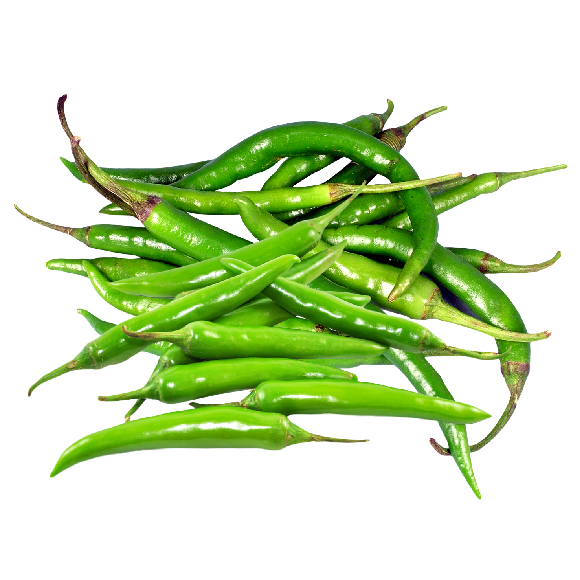
Green chilies are the unripe fruits of the Capsicum annuum plant, used in cooking to add flavor and heat to dishes. They come in various heat levels and are a staple in cuisines worldwide.
Availability: In Stock
Nutritional Content:
Green chilies are low in calories and fat but rich in vitamins and minerals. Here’s a brief overview of their nutritional content per 100 grams:
Health Benefits:
Green chilies offer several potential health benefits:
Culinary Uses:
Spice in Cooking: Green chilies add heat and flavor to a wide range of dishes, including curries, stir-fries, soups, stews, sauces, and marinades.
Salsas and Chutneys: They are often used to make fresh salsas, chutneys, and relishes, adding a spicy kick to these condiments.
Stuffed Dishes: Green chilies can be stuffed with cheese, meat, or other fillings and then baked or grilled for a flavorful appetizer or side dish.
Pickling: They are commonly pickled in vinegar or brine and used as a condiment or garnish for sandwiches, tacos, and burgers.
Toppings and Garnishes: Sliced or diced green chilies are often used as toppings or garnishes for pizzas, tacos, burgers, salads, and various other dishes.
Flavoring Agents: They can be used to infuse their spicy flavor into oils, vinegars, and sauces, adding depth to dressings and marinades.
Snacks: Green chilies can be roasted or fried and served as a crispy snack or appetizer.
Breads and Batters: They can be incorporated into bread doughs, batters, and doughnuts for added flavor and heat.
Preparation:
Washing: Rinse the green chilies under cold water to remove dirt and debris.
Trimming: Cut off the stem end of the chili and remove seeds and membranes for milder flavor, if desired.
Slicing/Dicing: Slice, dice, or chop the chilies as needed for your recipe.
Cooking Methods: Incorporate into dishes by sautéing, roasting, blending, or pickling.
Use Caution: Be careful when handling chilies to avoid skin and eye irritation. Consider wearing gloves.
Storage:
Refrigeration: Store unwashed green chilies in a perforated plastic bag in the refrigerator’s vegetable crisper drawer. The perforations allow for airflow, preventing moisture buildup.
Avoid Moisture: Make sure the chilies are dry before storing them. Excess moisture can cause them to spoil more quickly.
Use Paper Towels: If the chilies are damp, wrap them in paper towels before placing them in the plastic bag to absorb any excess moisture.
Don’t Wash Until Use: Avoid washing the chilies until you’re ready to use them, as moisture can accelerate spoilage.
Freezing: Green chilies can be frozen for longer-term storage. Simply wash and dry them, then place them in a freezer-safe bag or container. They can be used directly from frozen in cooked dishes.
Check Regularly: Check the chilies periodically for any signs of spoilage, such as mold or soft spots, and discard any that are no longer fresh.
Cautions:
Protect Skin and Eyes: Wear gloves when handling chilies, especially if you have sensitive skin. Avoid touching your face, particularly your eyes, after handling chilies, as the oils can cause irritation.
Ventilation: Work in a well-ventilated area to prevent inhaling chili fumes, which can irritate the respiratory system.
Wash Hands Thoroughly: After handling chilies, wash your hands thoroughly with soap and water to remove any residue.
Use Caution with Seeds and Membranes: The seeds and membranes of chilies contain capsaicin, the compound responsible for their heat. Avoid touching your face or sensitive areas after handling these parts of the chili.
Start Small: If you’re not accustomed to spicy foods, start with small amounts of chili in your dishes until you gauge your tolerance level.
Nutrition information
Green Chili Chicken Enchiladas (per enchilada):
Spicy Green Chili Salsa (per serving):
Stuffed Green Chilies (per stuffed chili):